Understanding the Real UK Driving Licence: A Comprehensive Overview
The United Kingdom is known for its extensive driving guidelines and standards, which extend to the issuance of driving licences. A driving licence is not only a permit that permits individuals to operate a car however also serves as a crucial identification file. In this post, we will dig into the detailed details regarding real UK driving licences, covering everything from application procedures to types, and essential regulations.
Kinds Of UK Driving Licences
The UK provides different kinds of driving licences accommodating numerous categories of vehicles. Below is a table summing up the main kinds of driving licences available.
| Licence Type | Automobile Categories | Minimum Age |
|---|---|---|
| Provisionary Licence | Student drivers (all automobiles) | 17 |
| Full Car Licence | Category B-- Cars, vans approximately 3.5 tonnes, and some minibuses | 17 |
| Motorcycle Licence | Category A-- All motorbikes | 24 (A), 21 (A2) |
| HGV Licence | Heavy Goods Vehicles (Category C) | 18 |
| PSV Licence | Civil Service Vehicles | 21 |
Application Process for a UK Driving Licence
1. Provisionary Licence
The journey to getting a complete driving licence begins with getting a provisionary licence. The key steps included are as follows:
- Eligibility Check: You need to be at least 17 years old and a local in Great Britain.
- Online Application: Provisional licences can be made an application for online via the DVLA (Driver and Vehicle Licensing Agency) site. Paper kinds can also be requested.
- Documentation: You'll need to provide proof of identity using files like a passport or birth certificate, in addition to a passport-style photograph.
- Payment: The application charge is presently ₤ 34 online and ₤ 43 by post.
2. Full Licence
Once you have your provisional licence, you can take driving lessons and get ready for the driving test:
- Driving Test Booking: Once you feel prepared, you can schedule your driving test through the DVLA site. You will require to pay an extra fee for the test.
- Pass the Tests: Candidates need to pass both a useful driving test and a theory test. The theory test consists of multiple-choice questions and a danger perception test.
3. Updating Your Licence
For motorcyclists or HGV drivers, upgrading to a full classification licence includes additional tests.
- Motorbike Tests: Depending on the preferred bike classification, a learner needs to pass more tests at various stages to gain full gain access to.
- HGV/PSV Qualifications: Drivers should finish driver training and pass theory and practical driving evaluations to be qualified for HGV and PSV licences.
Key Features of a UK Driving Licence
A real UK driving licence is geared up with numerous unique features.
Security Features
- Picture: The driver's photograph appears on the front of the licence, helping to avoid fraud.
- Microchip: Modern UK driving licences include a microchip that holds details about the driver, including a layer of security.
- Holograms: Holographic images and other patterns make it hard to create licences.
Details Presented
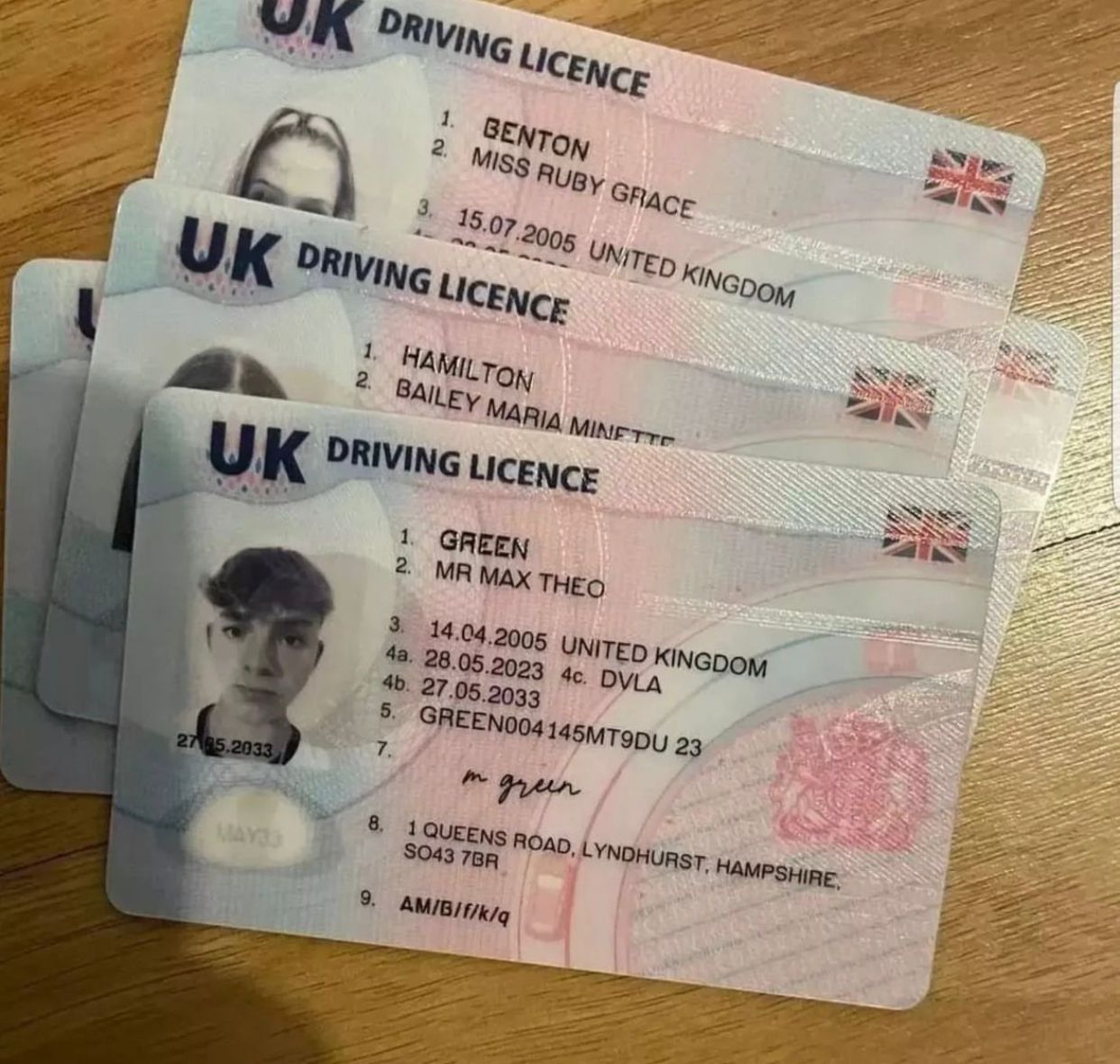
The driving licence consists of vital details, as portrayed in the table below:
| Field | Description |
|---|---|
| Complete Name | The driver's full legal name |
| Address | Residential address |
| Date of Birth | Shows the driver's date of birth |
| Lorry Categories | Categories the driver is accredited to operate |
| Expiry Date | Indicates when the licence needs to be renewed |
| Licence Number | A distinct serial number assigned to the driver |
Rights and Responsibilities
Owning a driving licence comes with both rights and duties.
Rights
- Driving Privileges: Licensed people have the legal right to operate vehicles permitted by their licence category.
- Recognition: The driving licence can be utilized as valid recognition when needed.
Responsibilities
- Renewal: Drivers need to guarantee their licence stays valid by restoring it before its expiration date.
- Insurance: It is obligatory to have legitimate insurance coverage before driving any car.
- Abiding by Traffic Laws: All drivers must comply with road security policies and driving laws to avoid penalties or legal effects.
Often Asked Questions (FAQs)
1. For how long does a UK driving licence last?
A UK driving licence is typically valid for 10 years. Nevertheless, the expiry may vary for older drivers, who must renew their licences every 3 years after turning 70.
2. Can I drive with a provisionary licence?
Yes, provisionary licence holders can drive, but they must be accompanied by a driver who has held a complete licence for at least three years.
3. How can ukdrivinglicense examine if my driving licence is legitimate?
You can examine the status of your driving licence through the DVLA site by entering your driving licence number and personal information.
4. What should I do if my licence is lost or taken?
If your licence is lost or taken, you should report it to the cops and request a replacement through the DVLA.
5. What are the penalties for driving without a legitimate licence?
Driving without a valid licence can result in fines, penalty points on your existing licences, and in severe cases, imprisonment.
The UK driving licence acts as more than just an authorization to drive; it represents specific obligation and adherence to a strict set of legal standards aimed at guaranteeing roadway safety. Comprehending the application process, kinds of licences, and the guidelines involved can streamline the path to ending up being a licensed driver in the UK. It is important for all prospective drivers to be experienced about their rights and obligations to add to accountable driving practices and to totally enjoy their flexibility on the roadways.